The Ultimate Occasion Wig Guide: How to Change Your Look Without Commitment
A complete guide to occasion wigs: how human hair wigs work, what to look for, and how to match lace, texture, and cut to any event. Start here.
Redaktionell geprüft: Vor der Veröffentlichung prüfen wir Tragbarkeit, Proportionen und Alltagstauglichkeit. Unsere redaktionelle Arbeitsweise und Bildrichtlinie erklären wir unter Über uns; Angaben zur Unabhängigkeit bei Affiliate-Links stehen im Affiliate-Hinweis.
A new haircut is a two-week commitment minimum, and that's if the colorist gets it right the first time. An occasion wig is a two-hour one. That difference is the entire premise of this guide: wigs built from real human hair have moved so far past the stiff, shiny, obviously-a-wig category that they can now do something a salon appointment can't — let you test a hairstyle before you commit to it, or wear a completely different one for a single event and go back to your own hair the next morning.
This guide covers what an occasion wig actually is, how to judge quality without seeing it in person first, and which style logic applies to which kind of event — office, date night, festival, party, travel, and beyond. It's the reference page for a series of occasion-specific wig guides on this site, so if you came here looking for "what wig for a festival" or "wig for a first date," the short answer is below, and the long answer is coming in its own post.
What Is an Occasion Wig?
An occasion wig is a wig worn for a specific event rather than as a daily hair replacement — a going-out night, a wedding, a festival weekend, a work presentation where you want a sharper blowout than your actual hair is giving you that day. The category exists because the two use cases have different priorities. Daily wear needs scalp comfort over a full week and a natural part; occasion wear needs speed to put on, a dramatic finish, and the ability to survive a night of dancing or a full flight without the style collapsing.
Most occasion wigs sold today are made from real human hair rather than synthetic fiber, which is the detail that changed the category. Synthetic wigs hold a pre-set style and can't take heat tools; human hair wigs can be curled, straightened, and restyled the way your own hair can, which means one wig can serve several different occasions if you change how you wear it.
Where Occasion Wigs Came From — and Where They're Heading
Wig culture has always had two lanes: the theatrical costume wig, built for stage distance and not close inspection, and the protective-style wig, built by and for Black women as a durable, low-manipulation styling method — a tradition that predates the current wig boom by decades and still shapes most of the construction techniques the industry uses. What changed over the last ten years is lace. Early 2010s lace fronts had a visible, slightly stiff mesh line at the hairline that read as "wig" under bright light or in photos. HD lace, now standard on better mid-range and premium pieces, is thinner and finer-knotted, so it disappears against the skin instead of sitting on top of it.
The other shift is glueless construction. Adjustable combs, elastic bands, and clips replaced glue and tape as the default attachment method, which mattered more for occasion wear than daily wear — nobody wants to apply adhesive for a Saturday night and remove it with solvent on Sunday morning. Where the category is heading now is toward wigs designed around a single event type rather than sold as one generic product: a festival wig braided for movement and sweat, a date-night wig cut for a soft frame around the face, an office wig with a low-key part that won't draw attention in a meeting. That specificity is the reason this pillar links out to individual occasion guides instead of trying to cover everything in one post.
Key Things to Understand Before Buying
Lace type. Lace front covers the hairline only, which is the more affordable option and the right call if you're wearing the wig with your natural part hidden or under a hat. Full lace covers the entire cap, allowing any parting or a high ponytail, and costs more because there's more hand-tied lace to produce. HD lace is a thinner mesh available on either construction — it's the upgrade that actually matters for close-up photos.
Density. Wigs are sold by density percentage — 130%, 150%, 180% — describing how much hair is sewn into the cap relative to natural hair density. Lower density looks more like fine, natural hair and works better for everyday and office wear; higher density gives volume that reads well from a distance, which is why festival and party wigs often run higher.
Texture and cut. Body wave and deep wave are the two most common human hair textures sold for occasion wear. Body wave gives a soft, loose curl that reads polished for date nights and office days; deep wave is tighter and more defined, closer to a curl pattern than a wave, and tends to suit festival and party looks where more texture reads as more energy. Bobs are their own category — they photograph cleanly and work across nearly every occasion because the shorter length doesn't compete with an outfit's silhouette.
Cap construction and glueless options. A glueless wig uses adjustable combs and an elastic band at the nape instead of adhesive, and this is the detail that matters most for occasion wear specifically — you're putting it on once, wearing it for a few hours, and taking it off, so a wig that requires bonding glue is solving a daily-wear problem you don't have.
How to Style a Wig for Different Occasions
Most people assume the wig itself determines whether a look reads dressed-up or casual. It doesn't — the part and the finishing do more work than the hair texture. A middle part with a sleek finish reads office-appropriate even on a wig with heavier density; the same wig worn with a deep side part and loose waves reads date-night. Before buying a second wig for a second occasion, try restyling the one you have. It's the cheapest lesson in this guide.
Common Occasion Wig Mistakes
Buying density that's too high for the occasion. A 180% density wig at the office reads costume, not polished — the volume that works under festival lighting looks like overcorrection under fluorescent lights and a laptop camera.
Skipping the baby hairs and edge styling. This is the single most common giveaway. Even excellent lace looks unfinished without a few baby hairs laid at the hairline — it's a two-minute step with an edge brush and gel that changes how convincing the whole wig reads.
Not sizing the cap correctly. A cap that's too large shifts during a night of dancing or a long flight; one that's too tight gives a headache within the hour. Most quality wigs come with adjustable straps for exactly this reason — use them before the event, not for the first time in a bathroom mirror at the venue.
Choosing a texture that fights the outfit. A tight, high-volume curl on a soft, romantic date-night outfit competes with it instead of supporting it — texture should either match the mood of the clothes or provide deliberate contrast, not land in between by accident.
Occasion Wig Style Examples
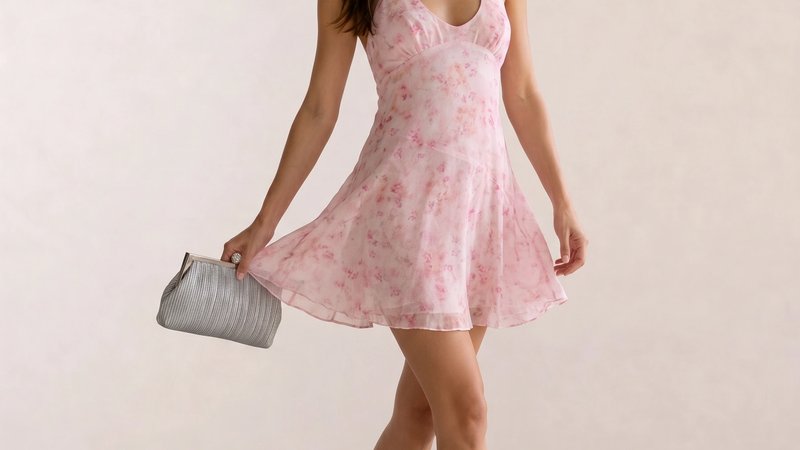
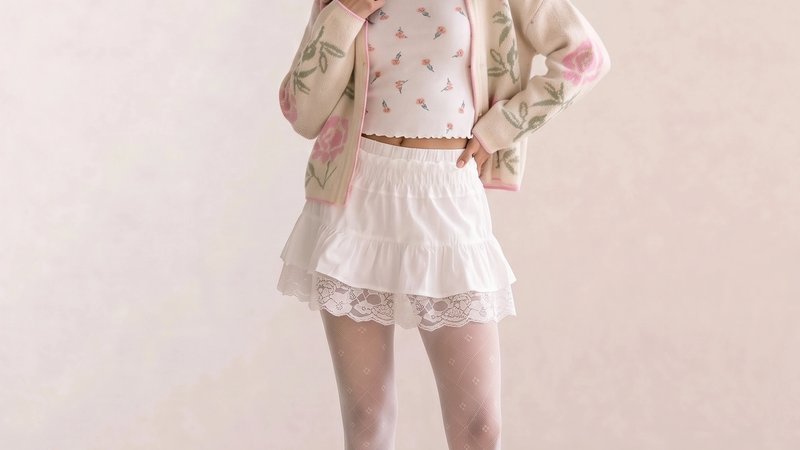
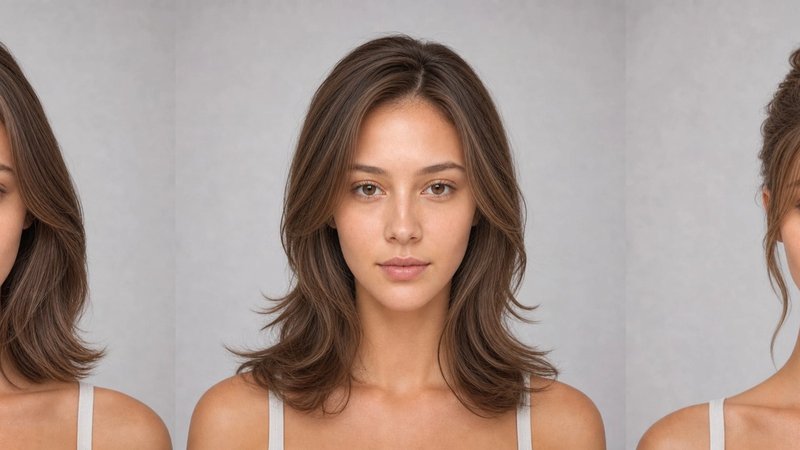
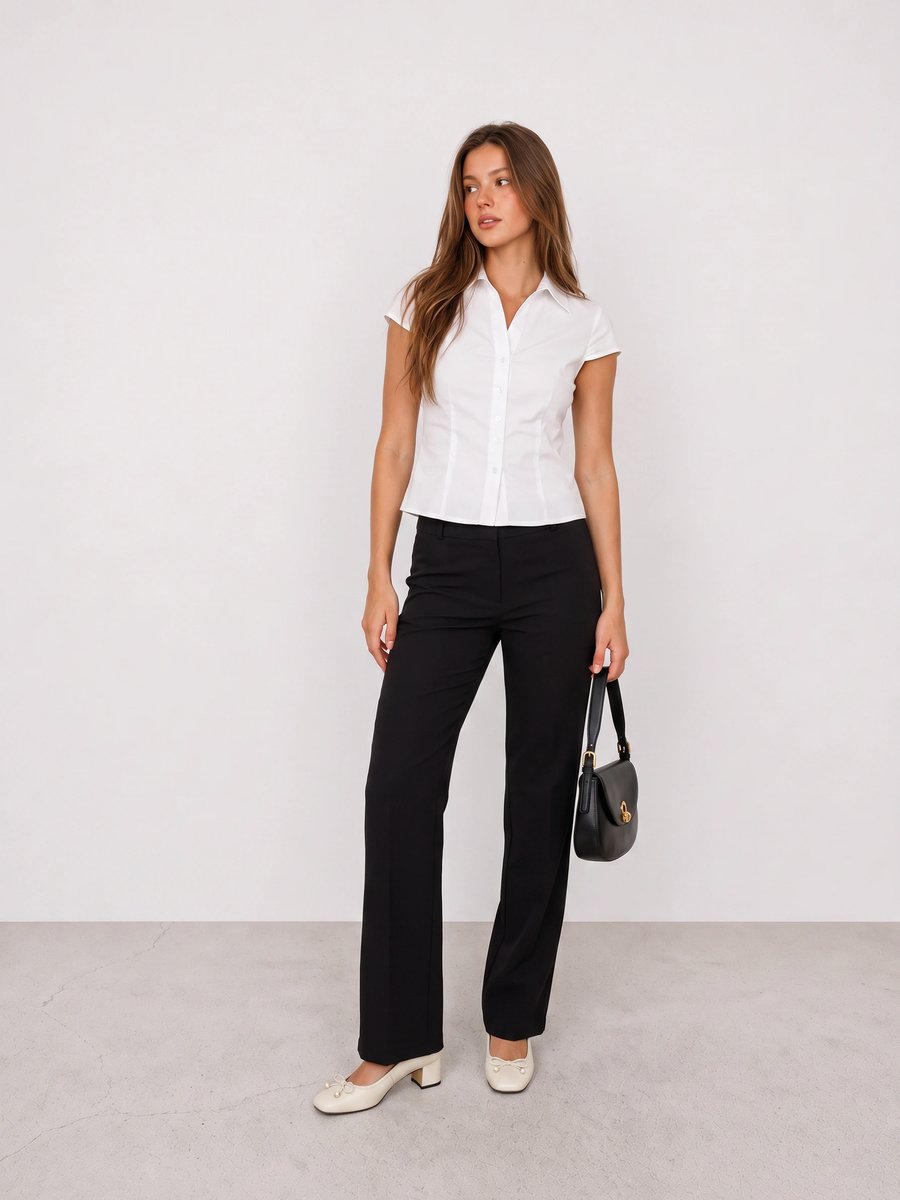
The pairings below aren't wig product shots — they're outfit and occasion pairings from the Stylefinden archive, included to show how the same styling logic from this guide plays out against a real look. Each one links to its full outfit page.
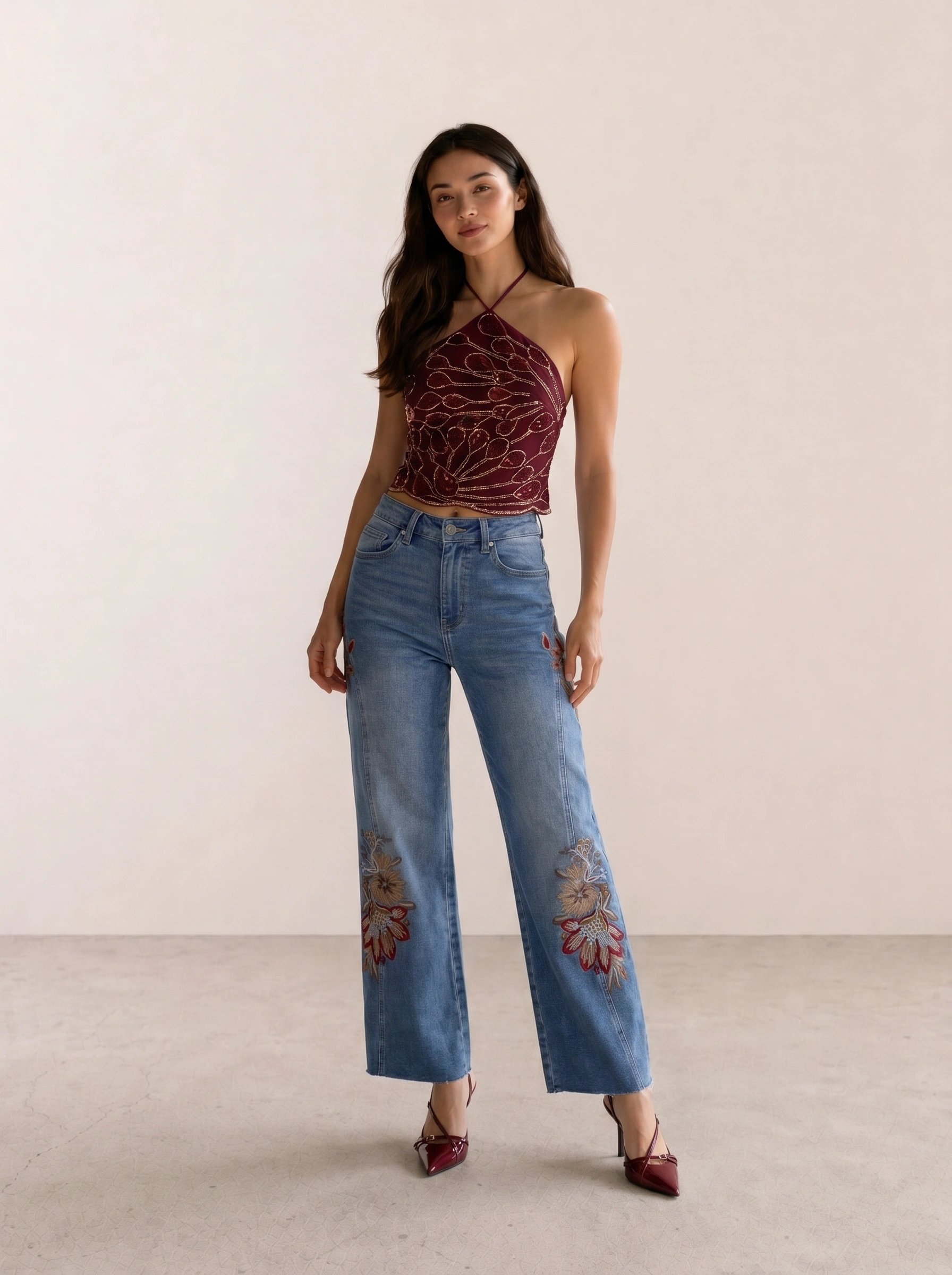
Date night. Pair with a body wave wig in a deep side part. The mechanism: a loose wave frames the face without pulling attention away from a statement top like this one — without the soft wave, a sleek straight style would compete with the sequin halter's shine instead of framing it. Skip anything past 150% density here; date-night wigs should feel like your hair, only better.
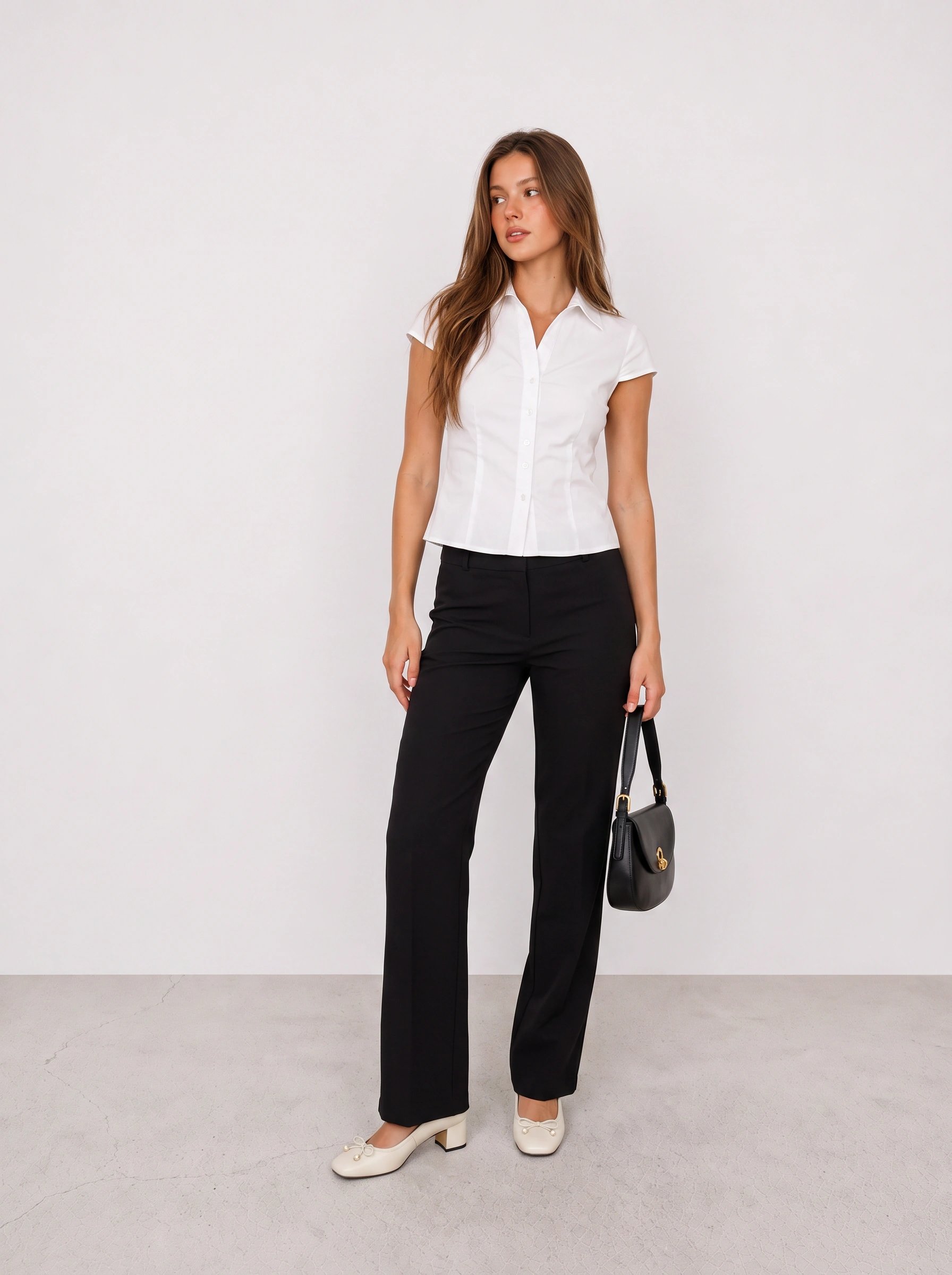
Office. A middle-part, low-density bob or lob is the safest choice here — the color logic of this outfit is already doing the work (black and white, no competing tones), so the wig's job is to stay quiet, not add another focal point. A blunt, straight cut with minimal layering reads the most professional; avoid deep waves in this setting, which read event-ready rather than desk-ready.
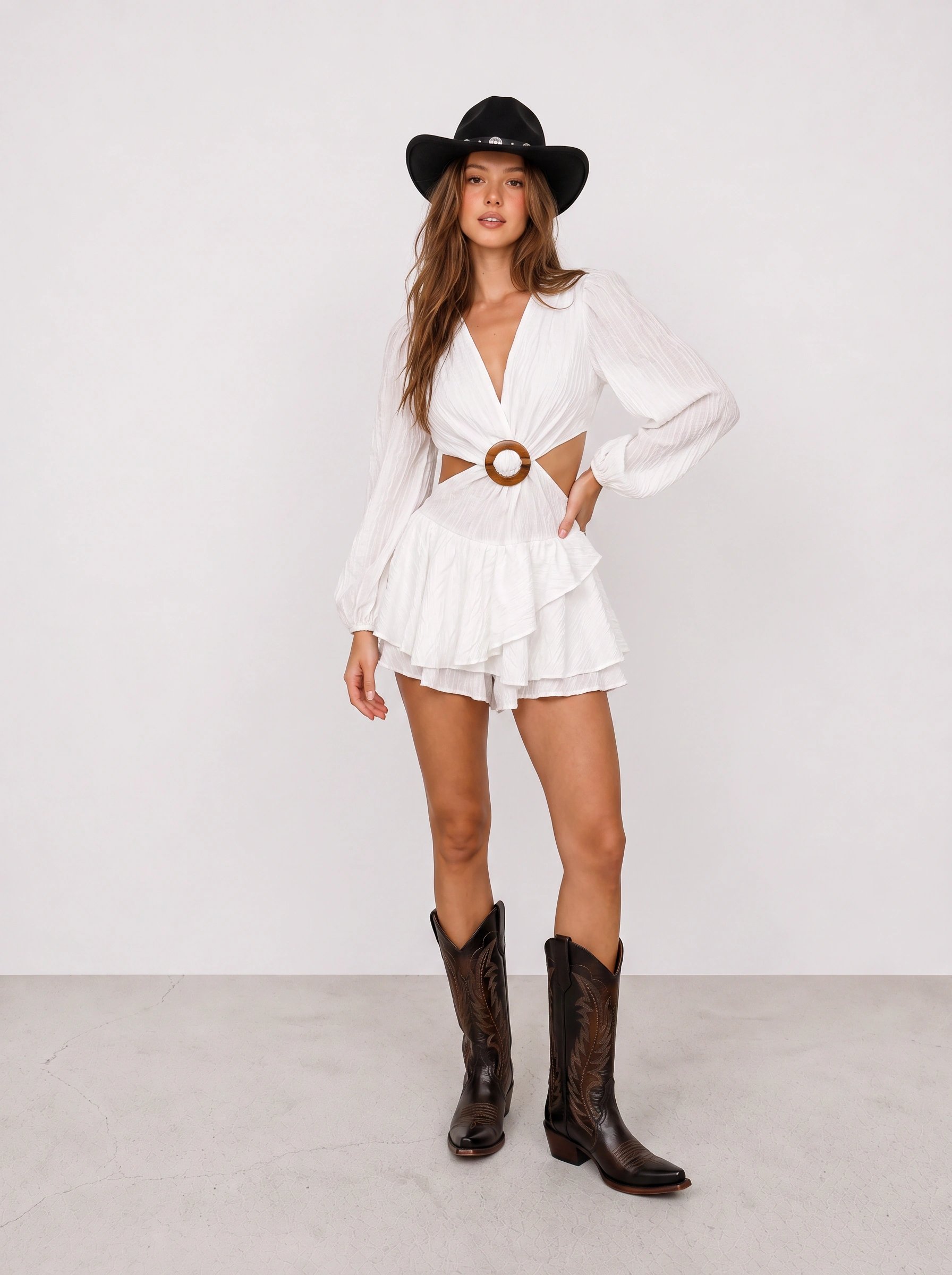
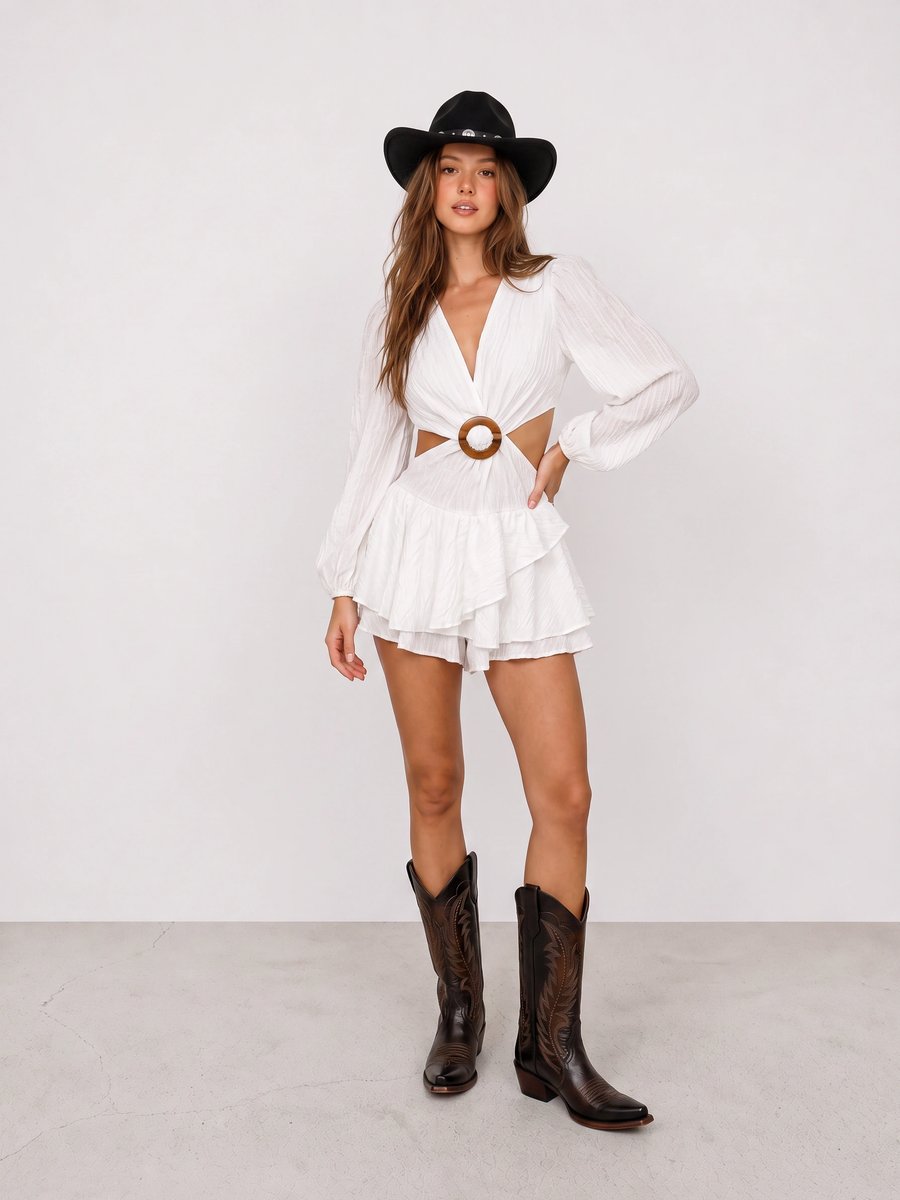
Festival. This is where higher density and deep wave earn their keep. A cowboy hat like this one needs volume underneath it to avoid looking flat against the brim — without enough density, the hat reads as sitting on top of thin hair rather than working with it. Where to wear it: a hot afternoon set, dust on your boots, hours on your feet and nowhere you'd rather be. Avoid a glued-down lace front here; sweat and heat make glueless the only sensible choice.
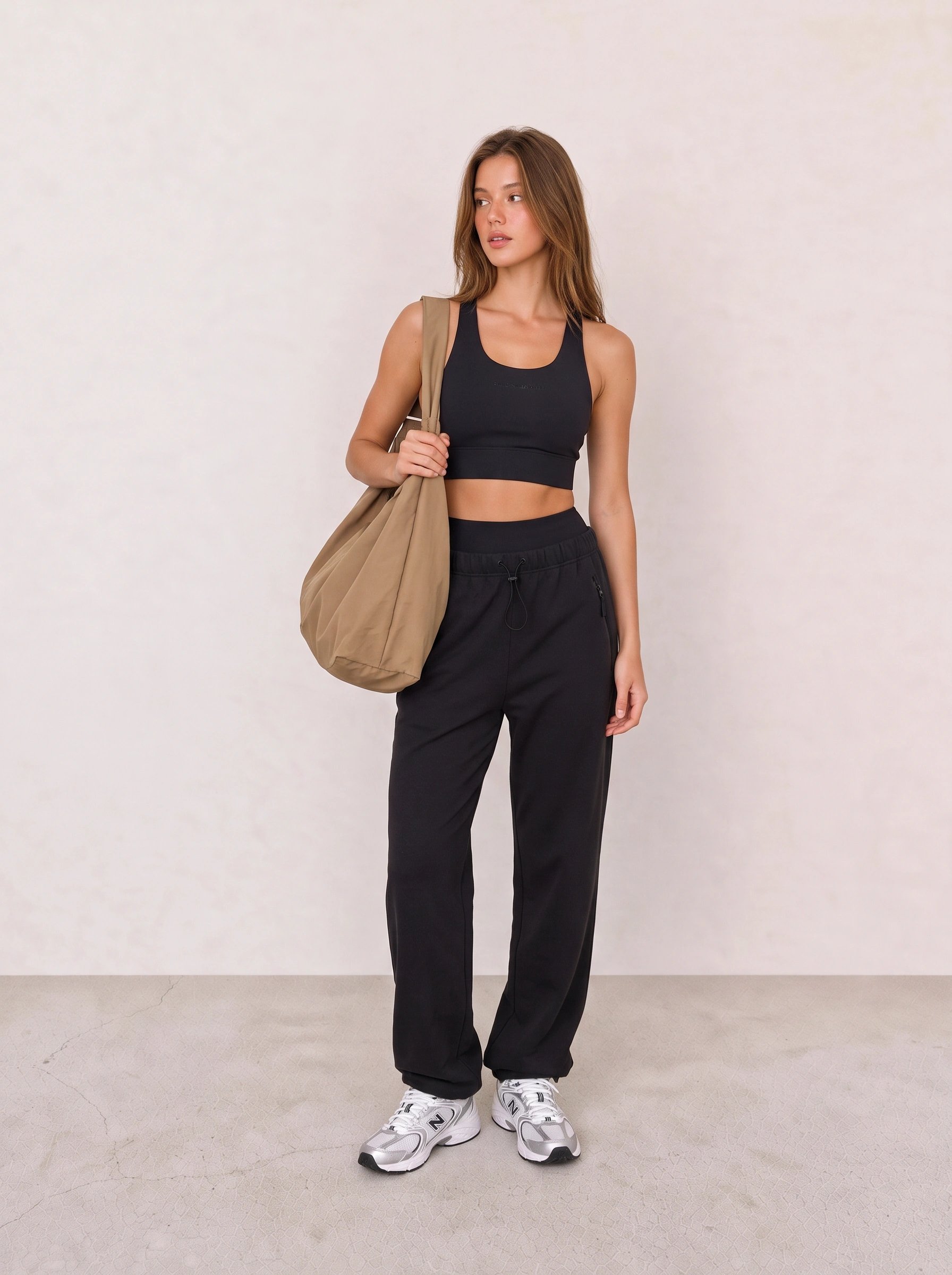
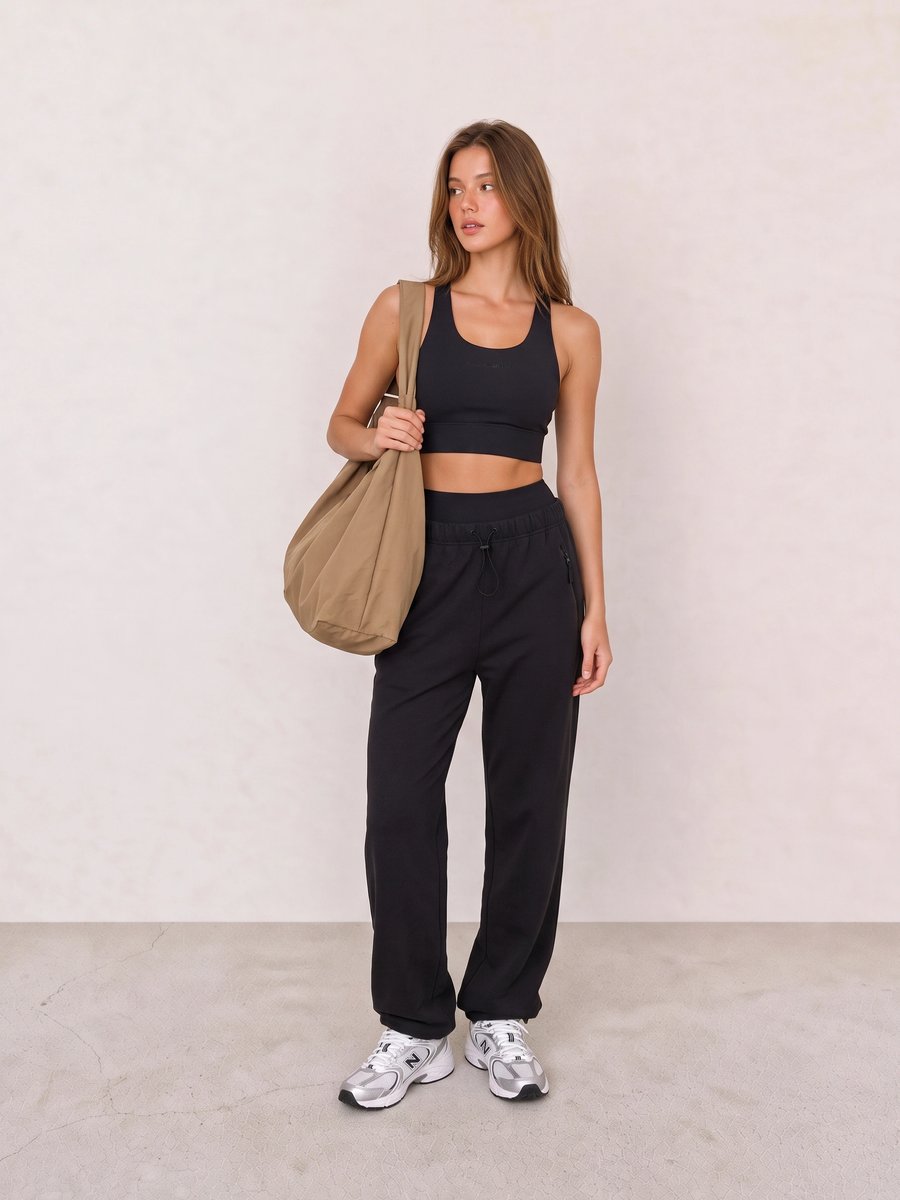
Sport and athleisure. Most people wouldn't think to wear a wig here at all, which is exactly the gap this occasion fills — a low ponytail wig with a pre-styled part gives you a finished look before a workout class or an early flight without the fifteen minutes at the mirror. A secure cap fit matters more than styling in this setting; a wig that shifts mid-movement is a bigger problem than one that isn't perfectly curled.
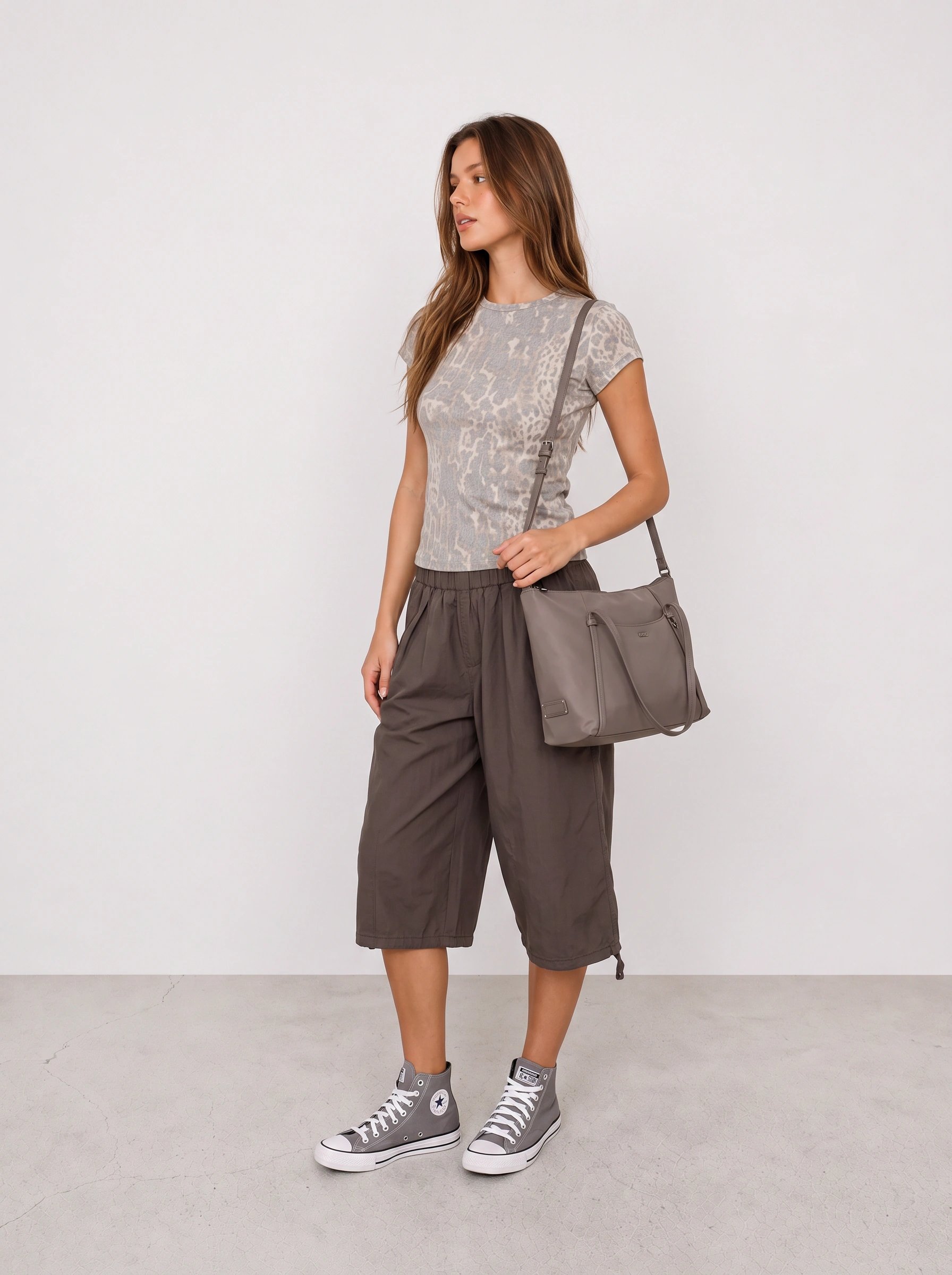
Travel. The styling versatility of a wig matters most here — one glueless bob can go from airport to hotel dinner to sightseeing without a single restyle, which is the entire argument for packing a wig instead of a curling iron. Choose a shorter length for travel specifically; long hair tangles in transit in a way a bob simply doesn't.
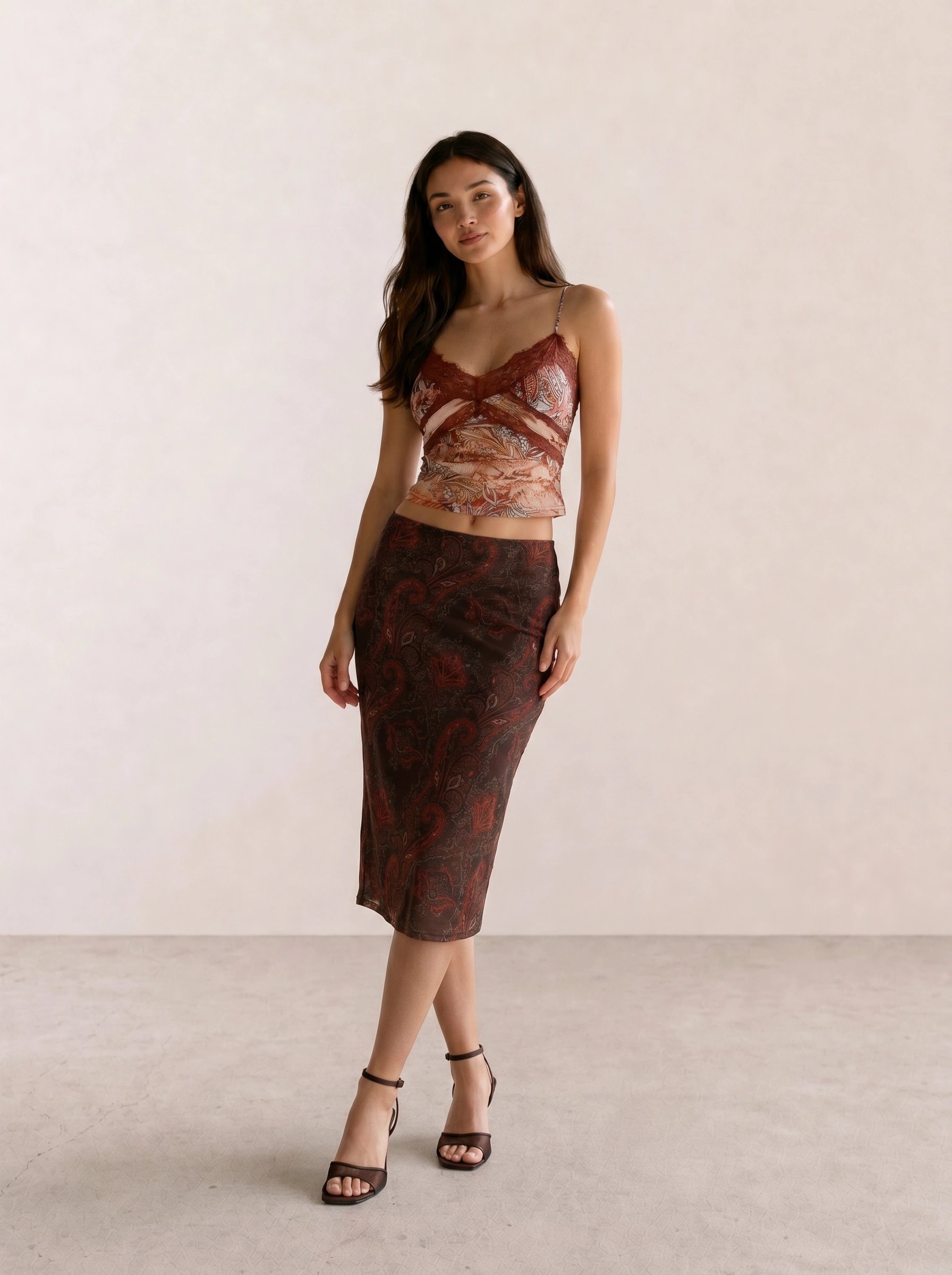
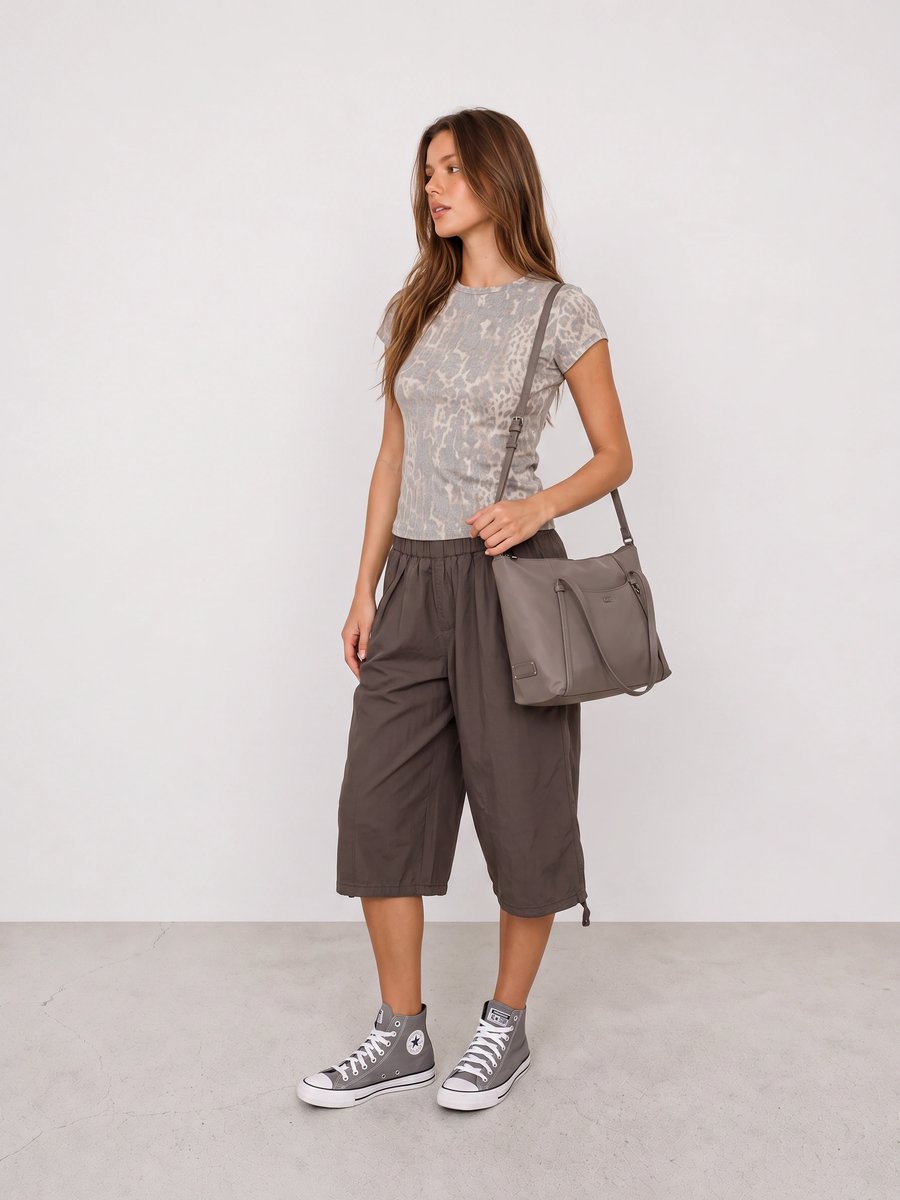
Party and night out. Contrast is the mechanism worth naming here — a deep wave wig against a fitted, tonal outfit like this one adds movement to a silhouette that's otherwise doing very little on its own. Without the texture, this reads more office-adjacent than out-out. One styling trap to avoid: too much added length. A wig several inches longer than your natural hair reads more obviously as a wig than one closer to your usual length, no matter how good the lace is.
Occasion Wig Shopping Guide: Price Tiers and Where to Buy
Budget synthetic wigs run roughly $20–$60 and are a reasonable choice for a single costume-adjacent event where realism matters less than the color or shape. They won't take heat styling and the lace, if any, will be visible up close.
Mid-range human hair wigs, typically $150–$400, are where most occasion wig shoppers should be looking. This tier gets you real human hair, machine-made lace or basic HD lace, and a glueless cap — enough quality for close-up photos and enough construction to survive a full night out.
Premium human hair wigs, generally $400 and up, add hand-tied HD lace across the full cap, higher-grade hair with less shedding over repeated wear, and finer customization on density and part placement. This is the tier worth spending on if you plan to rewear the same wig across several occasions in this guide, since better hair holds a curl and a color-safe treatment longer.
For the mid-range to premium tier specifically, Ashimary Hair is worth a look. The brand has been producing human hair wigs since 1995, and its current lineup covers the HD lace, glueless, body wave, deep wave, and bob categories this guide walks through — which makes it a reasonable starting point if you'd rather browse one well-organized catalog than compare five different sellers before your first occasion wig purchase.
Occasion Wigs: Frequently Asked Questions
What is the best wig for a special occasion? The best occasion wig is a human hair wig with a glueless, adjustable cap in a density between 130% and 180%, chosen based on the specific event rather than a single all-purpose pick. A date night or office event calls for lower density and a soft texture; a festival or party calls for higher density and more defined curl, since both need to read well under different lighting and at different distances.
How long can you wear an occasion wig in one sitting? A properly fitted glueless wig can comfortably be worn for 8 to 12 hours, which covers most single-event timelines, including travel days. Beyond that, scalp comfort declines regardless of cap quality, so occasion wigs are not designed or recommended for multi-day continuous wear the way protective-style daily wigs are.
Is human hair or synthetic better for an occasion wig? Human hair is better for any occasion where photos, close contact, or heat styling are likely, because it moves and takes styling like natural hair. Synthetic is a reasonable budget choice only for one-off events where the wig won't need restyling and the setting doesn't involve close-up scrutiny, such as a themed party under low light.
Do occasion wigs look natural? A well-fitted human hair wig with HD lace and properly styled baby hairs looks natural in most lighting, including close-up photography. The two details that separate a natural-looking wig from an obvious one are lace quality at the hairline and correct density for the occasion — both are covered in the buying section above.
Can you reuse one wig for multiple occasions? Yes, and it's the more economical approach for most people. A single mid-range or premium human hair wig can be restyled with a different part, curl pattern, or accessory across office, date-night, and party occasions, since the part and finishing change how dressed-up or casual a wig reads far more than the wig itself.
Explore Occasion Wig Guides by Event
This pillar guide is the hub for nine occasion-specific wig posts, each going deeper into the density, texture, and styling logic for one event type: Festival, Party & Night Out, Evening, Sport & Athleisure, Office, School & College, Date Night, Travel, and Casual Everyday. As each guide publishes, it will be linked here — bookmark this page if you want the full picture as it builds out.
One wig, restyled well, can outlast a season of outfit changes. That's a better return than most beauty purchases make.